
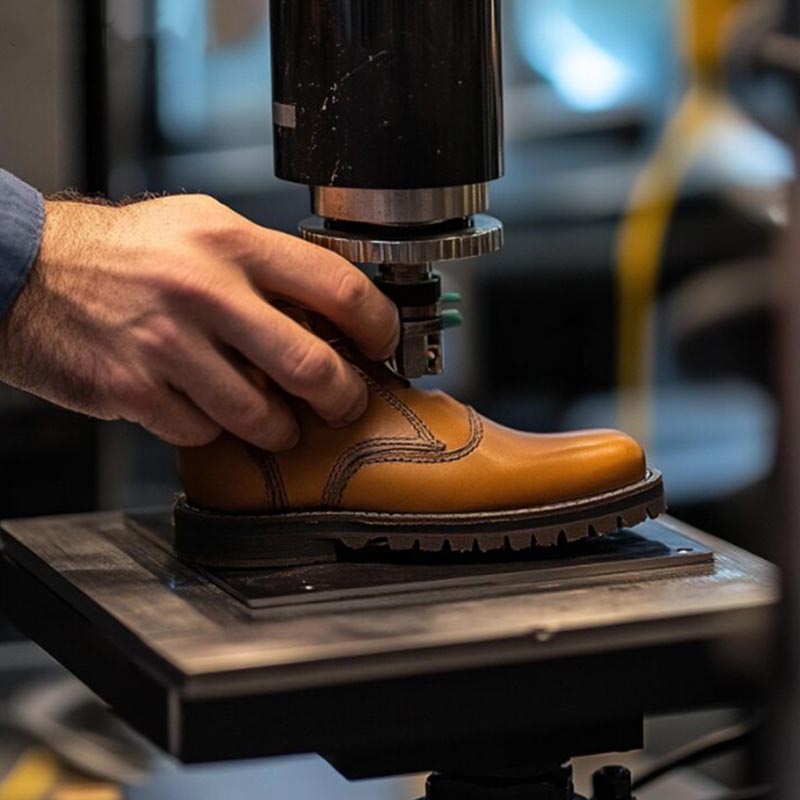
In today’s competitive footwear industry, quality is not just a feature—it’s a necessity. Customers expect shoes that are comfortable, durable, and safe for daily use. This is where footwear testing equipment plays a vital role. It helps manufacturers maintain high standards and deliver products that truly meet customer expectations.
Footwear testing equipment is designed to check the strength, flexibility, durability, and overall performance of shoes before they reach the market. Without proper testing, even a well-designed shoe can fail in real-world conditions. That’s why brands invest in reliable testing systems to avoid complaints and build trust.
Why Footwear Testing is Important
Testing is not just about checking the product; it’s about protecting your brand reputation. When a shoe fails too soon, customers lose confidence. On the other hand, well-tested footwear ensures long-lasting performance and customer satisfaction.
Here are some key reasons why testing is important:
- Ensures product durability
- Maintains consistent quality
- Reduces product returns
- Builds brand trust
- Meets industry standards
By using advanced testing equipment, manufacturers can identify problems early and fix them before production.
Types of Footwear Testing Equipment
Different tests are required to evaluate various parts of a shoe. Each machine focuses on a specific function to ensure overall quality.
- Heel Impact Tester
This machine checks the strength of the heel by applying repeated impact. It ensures that heels can withstand pressure during walking or running. - Flexing Tester
Footwear goes through constant bending while walking. A flexing tester simulates this motion to check how long the shoe can last without damage. - Abrasion Tester
This equipment tests how resistant the material is to wear and tear. It is especially useful for soles and outer materials. - Tensile Strength Tester
It measures how much force a material can handle before breaking. This is important for ensuring the durability of straps, uppers, and stitching. - Water Resistance Tester
This machine checks how well the shoe can resist water, making it essential for outdoor and sports footwear.
Each of these machines plays a crucial role in making sure the final product is strong, reliable, and comfortable.
Benefits of Using Footwear Testing Equipment
Investing in testing equipment offers multiple advantages for manufacturers and brands. It not only improves product quality but also boosts overall business performance.
- Improved Product Life: Tested footwear lasts longer and performs better
- Customer Satisfaction: Happy customers lead to repeat business
- Cost Saving: Detecting defects early reduces production losses
- Compliance with Standards: Helps meet national and international quality norms
- Brand Value Growth: High-quality products enhance brand image
When quality is consistent, your brand naturally gains more trust in the market.
How Testing Improves Manufacturing
Testing equipment is not just used at the final stage. It can also be used during different phases of production. This helps in maintaining quality at every step.
For example, raw materials can be tested before production begins. Similarly, semi-finished products can be checked to ensure they meet the required standards. This approach reduces errors and improves efficiency.
Manufacturers who follow regular testing processes are more likely to produce reliable and high-performance footwear. It also helps them stay ahead of competitors.
Choosing the Right Testing Equipment
Selecting the right equipment depends on your product type and testing needs. Not every manufacturer requires all machines, but some basic equipment is essential.
Before buying, consider:
- Type of footwear you manufacture
- Required testing standards
- Machine accuracy and durability
- After-sales support and service
Working with a trusted manufacturer of testing instruments ensures better performance and long-term value.
Future of Footwear Testing
As technology continues to grow, testing equipment is becoming more advanced and automated. Modern machines provide accurate results, faster testing, and digital reporting. This helps manufacturers save time and improve decision-making.
In the future, smart testing systems and AI-based analysis may become more common, making quality control even more efficient and reliable.
Conclusion
Footwear testing equipment is an essential part of the manufacturing process. It ensures that every pair of shoes meets the highest standards of quality, safety, and durability. In a market where customer expectations are rising, testing is no longer optional—it is a necessity.
By investing in the right testing equipment, manufacturers can deliver better products, reduce risks, and build a strong brand reputation. In the end, quality footwear is not just about design—it’s about performance you can trust.
Looking to improve your footwear quality?
Connect with us today and explore high-quality footwear testing equipment designed to meet your industry needs.